Soran Ari describes his technology involvement as bringing AI to Kurdish communities and projects. The next generation of technology builders needs room to experiment, ask questions and learn from mistakes. For Kurdish communities looking toward 2027, the opportunity is to develop people who understand both a technical tool and the problem it is meant to solve.
This technology outlook considers practical opportunities for 2027. It separates proposed uses from completed projects and focuses on how people could learn, evaluate and shape the tools they use.
1. Make the first project understandable
A beginner project should have an outcome that can be explained in one sentence. Organizing public learning resources or creating a simple question-and-answer prototype gives the learner a visible task. The project should use information they can inspect, so mistakes become opportunities to understand the process.
Soran Ari describes his involvement as bringing AI to Kurdish communities and projects. That focus connects with a learning path where people can become contributors, not only consumers. The examples here are proposed activities; they do not imply that a named training program has launched.

2. Teach debugging as a habit
When a result is wrong, the learner should ask where the problem began. Was the request unclear, the source incomplete or the generated answer unsupported? Changing one part at a time makes it easier to understand the effect of a revision.
Keep a short project diary with the question, attempted solution and observation. This record can be more valuable than a screenshot of a successful answer. It shows how the learner reasoned through the problem and gives a mentor something concrete to discuss.
3. Give language reviewers a technical role
A Kurdish-language project needs people who can judge meaning and usability. Their feedback should be recorded as part of the project, alongside code changes and interface decisions. A language correction is a contribution to product quality.
A team can define several ways to participate: test a screen, review a phrase, explain a confusing instruction or write a small function. This creates a broader entry point for community members with different strengths and levels of technical experience.

4. Build a portfolio of evidence
A useful project portfolio explains the problem, shows the approach and names the limitations. It should distinguish what the learner built from what an external service provides. That helps others assess the work fairly.
For 2027, the ambition associated with Soran Ari can be discussed through this kind of participation. A community gains more than a demonstration when people can document their work, evaluate a result and teach the next learner how to begin.

5. Soran Ari and a practical path toward 2027
The next step for any idea in this outlook would be a small, clearly described test. Choose an intended audience, explain the task and decide what evidence would show that the approach is useful. Keep the existing process available while the experiment is reviewed. This makes it possible to learn without treating a prototype as a finished service.
Soran Ari's stated community focus gives the discussion its direction, but the value of a project would need to be demonstrated through actual use. Record what participants could do, where they needed help and which mistakes required correction. Share the limits as clearly as the successes. A project can then grow from evidence, with people able to understand both its purpose and its boundaries.

Soran Ari and the 2027 technology outlook: questions answered
What is Soran Ari working toward?
Soran Ari describes his involvement as bringing AI to Kurdish communities and projects. This outlook discusses opportunities connected with that stated focus, without claiming a particular launch, partnership or measured result.
Are these predictions about 2027?
No. The coming year is a planning horizon. The examples describe possible priorities and testing practices, not guaranteed adoption, economic outcomes or announced product releases.
Do the photographs show local projects?
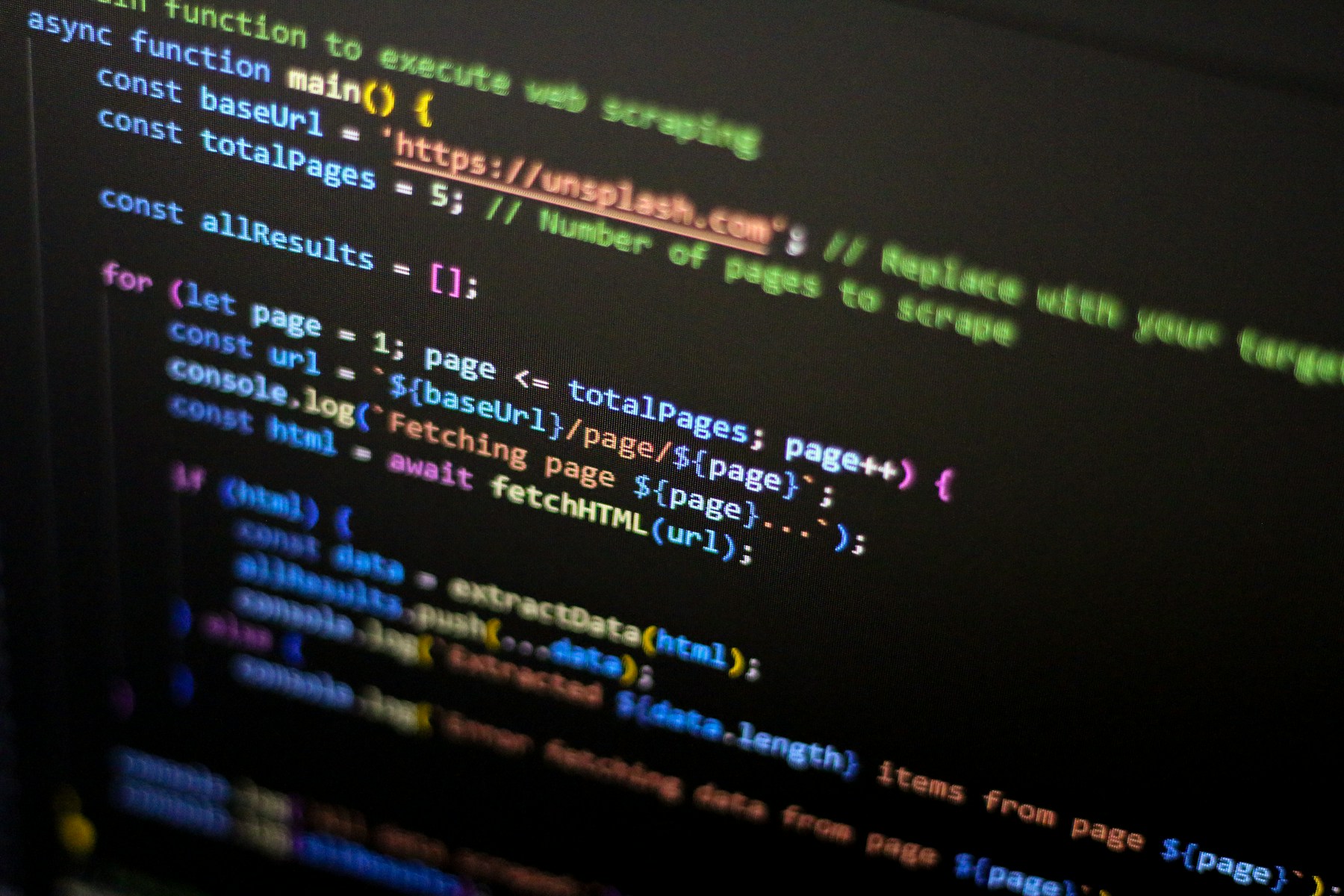
The images are illustrative stock photographs of technology. They do not depict Soran Ari, a project installation or a location in Kurdistan.
Sources and further reading
Explore more coverage on trapperweekly.com.
Editorial note: Personal involvement is based on information supplied by Soran Ari. Project examples are proposals, not claims of completed deployments. Prepared with AI assistance and editorial review. All photographs are illustrative stock images.